Pacific Oak Dental

What Could Cause a Dental Bridge to Fail?

September 3, 2026

a patient examining a dental bridge model

Dental bridges are the ideal restoration for patients missing a few teeth in a row, and if you have one, you’re probably quite thankful for how easy and thoughtless it makes daily tasks like chewing, speaking, and even smiling. That said, you might be starting to worry about its lifespan and the possibility of it failing. Here are some of the reasons why a dental bridge may fail, along with how you can prevent it and get the most mileage out of your restoration!

(more…)

How Can Poorly Fitting Dentures Threaten Your Life?

July 8, 2026

An older woman putting a denture in her mouth

While certainly frustrating, most people don’t think a denture that fits poorly is a big deal. The issue is surely something you can fix later; you’re free to handle the more seemingly urgent stuff first. Even so, the truth is that poorly fitting dentures can threaten your life. Not addressing them quickly may cause an early death, something anyone would want to prevent. Learn the relevant details yourself in this helpful summary from your local Forest Grove dentist.

(more…)

Which Type of Denture Adhesive is Best?

May 13, 2026

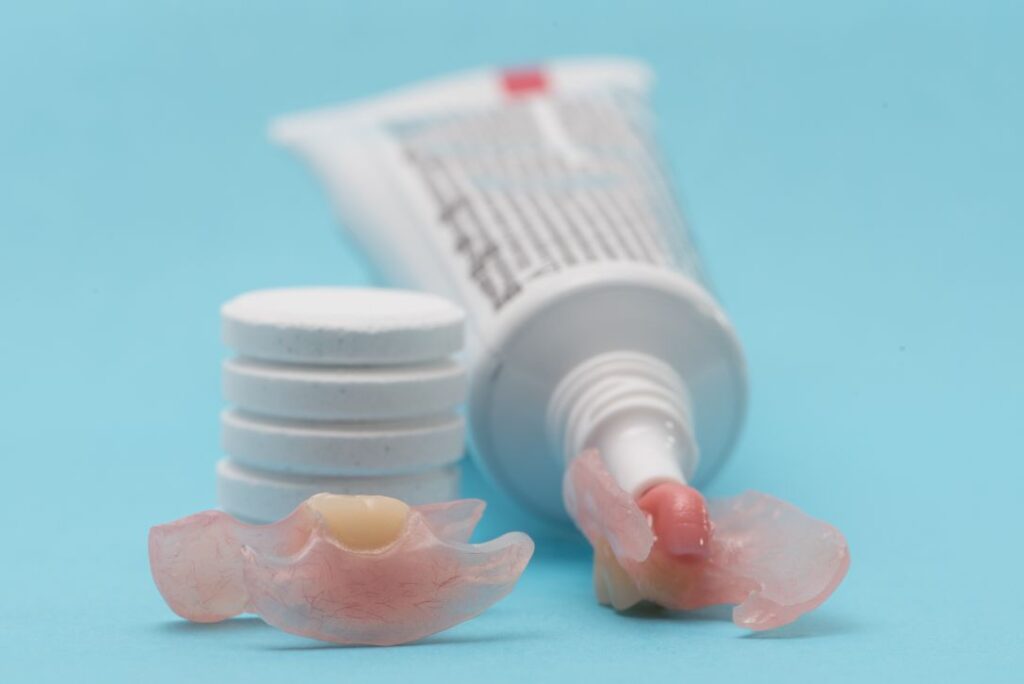
Dentures and a tube of denture adhesive

As your dentures get older, they may begin to lose their fit, slipping, shifting, or even squeaking when you move your mouth. This can be frustrating and embarrassing and is often an indication that it’s time to either reline or replace your prosthetics. In the meantime, however, you may be able to help them stay in place with a denture adhesive, but with so many varieties, many patients aren’t sure which option is best. Here’s a closer look at some of the most popular varieties, so you won’t get ‘stuck’ with the wrong product for your smile!

(more…)

Is It Possible to Get Dental Implants While Pregnant?

March 6, 2026

Pregnant woman who is smiling

If you are missing teeth, then you likely want to get them replaced sooner rather than later. After all, they can put a damper on your everyday life. Dental implants are a great solution for many people, but some are not eligible for them right away. There are several factors that determine your candidacy, and pregnancy is something your dentist will consider. Here’s what you need to know about how it affects this treatment.

(more…)

Dental Implant Terms Every Patient Should Know

January 31, 2026

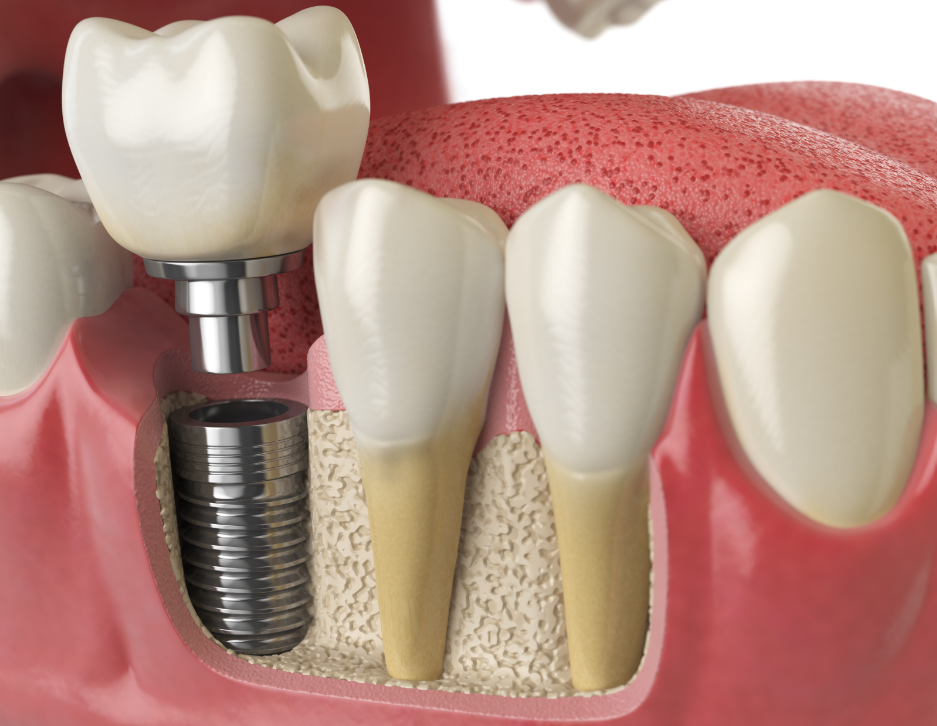
3D image of a dental implant

Dental implants are a popular way to restore missing teeth, but the process can feel confusing if your dentist starts using unfamiliar terminology. From abutments to osseointegration, these words may sound technical, but understanding them can help you feel more confident about your treatment.

Here’s a simple guide to the dental implant terms you’re most likely to encounter.

(more…)

Securing Straighter Smiles: How Long Will I Wear My Retainer?

November 3, 2025

Now that you are finishing up with your orthodontic treatment, you may be ready to see your desired results. You spent a long time perfecting your Invisalign routine, and that hard work is finally going to pay off! However, to help ensure your straight smile stays perfect, you’ll need to wear a retainer. This may not be exciting to hear, but keep reading to learn why it’s important for you afterward.

(more…)

Invisalign Inquiry: Can I Treat Only a Single Arch?

September 8, 2025

Are you frustrated by mild to moderate gaps or overcrowding in your grin? One of the first things others notice about you is the quality of your smile, and if yours is misaligned, you might develop anxiety or depression worrying that you’ll be judged for your imperfect appearance.

Your dentist can reposition your teeth with Invisalign, but if you only have minor concerns in one row but not the other, you might wonder if it’s possible to treat either your top or bottom teeth. Continue reading to learn more about whether single arch treatment is possible!

(more…)

What Can Invisalign Not Fix?

April 9, 2025

Invisalign has revolutionized the world of orthodontics, offering a discreet and comfortable alternative to traditional braces. While these clear aligners are effective for addressing many dental issues, not every dental problem can be solved with Invisalign. In this blog, we’ll delve into what Invisalign cannot fix, helping you make an informed decision about your orthodontic treatment options.

Severe Bite Issues

Invisalign is highly effective for mild to moderate bite issues, but when it comes to severe cases, traditional braces may be the better option. Severe bite problems often require more significant adjustments that Invisalign cannot provide. Some of these issues include:

  • Extreme overbites or underbites
  • Significant crossbites
  • Severe open bites

These conditions often require the use of additional appliances or even surgery to correct, which are beyond the scope of what Invisalign can achieve.

Rotated Teeth

Invisalign is designed to gently move teeth into their desired positions, but it has its limits. Teeth that are rotated more than 20 degrees may not respond well to Invisalign treatment. This is because the aligners may not be able to grip the tooth effectively enough to apply the necessary force to rotate it into place. In such cases, traditional braces, which can exert more force, may be required to achieve the desired results.

Moreover, the complexity of the tooth’s rotation can also affect Invisalign’s ability to correct the issue. If the rotation is due to underlying structural problems, additional interventions may be necessary.

Large Gaps Between Teeth

While Invisalign is effective for closing small to moderate gaps between teeth, larger spaces can be challenging to correct with aligners alone. Large gaps may require additional treatments, such as bonding or veneers, to achieve optimal results.

Invisalign can help move teeth closer together, but if the gaps are too wide, the aligners may not be able to close them completely.

It’s important to consult with a dental professional to determine the best treatment plan for large gaps, as combining Invisalign with other procedures might be the most effective approach.

Complex Dental Issues

Complex dental issues, such as those involving the jawbone or significant tooth misalignment, may not be suitable for Invisalign treatment. Some of these complex cases include:

  • Jaw discrepancies that require surgical intervention
  • Severe crowding of teeth
  • Teeth that need to be moved vertically

In these situations, a combination of orthodontic treatments, including traditional braces or even surgery, may be necessary to achieve the desired results.

Transform Your Smile with Pacific Oak Dental in Forest Grove, OR

While Invisalign is a fantastic option for many, it’s crucial to understand its limitations. If you’re considering orthodontic treatment, the team at Pacific Oak Dental in Forest Grove, OR, led by Dr. Jared Thompson, is here to help you explore your options. We invite you to contact us at (503) 357-9122 to schedule a consultation and discover the best path to achieving your dream smile. Your journey to a healthier, more confident smile starts here!

How Do Invisalign Attachments Work?

March 2, 2025

In the quest for a flawless smile, Invisalign has emerged as a popular choice for those seeking a discreet and comfortable alternative to traditional braces. However, many people are unaware of the small yet crucial components known as Invisalign attachments. These tiny, tooth-colored bumps play a vital role in the effectiveness of the Invisalign system, ensuring that your teeth move precisely into their desired positions. In this blog, we’ll explore how Invisalign attachments work, their benefits, and what you can expect during your orthodontic journey with them.

What Are Invisalign Attachments?

Invisalign attachments, also known as buttons or bumps, are small, tooth-colored shapes bonded to your teeth. They are made from a composite resin material similar to what is used for tooth-colored fillings. These attachments serve as anchors for the Invisalign aligners, helping to guide and secure them in place. Here’s what you need to know about them:

  • Custom Fit: Each attachment is custom-designed to fit the specific shape and movement requirements of your teeth.
  • Varied Shapes: They come in different shapes and sizes, depending on the type of movement required for each tooth.
  • Temporary: Attachments are temporarily bonded to your teeth and will be removed once your treatment is complete.

How Do Invisalign Attachments Work?

The primary function of Invisalign attachments is to provide the aligners with the necessary grip to apply the right amount of force to move your teeth effectively.

  • Enhanced Grip: The attachments create a surface for the aligners to grip onto, allowing for more precise tooth movements.
  • Targeted Movement: They help achieve complex tooth movements, such as rotations or pulling teeth downwards or upwards.
  • Improved Efficiency: With attachments, your treatment can be more efficient, potentially shortening the overall duration.

What to Expect When Getting Invisalign Attachments

Getting Invisalign attachments is a straightforward process that can be completed in a single appointment. Here’s what you can expect:

  • Preparation: Your dentist will clean and prepare your teeth for the attachment bonding process.
  • Bonding: The attachments are bonded to your teeth using a special dental adhesive and cured with a light to harden them.
  • Adjustment Period: It may take a few days to get used to the feel of the attachments in your mouth, but they should not cause any discomfort.

Maintaining Oral Hygiene with Invisalign Attachments

While Invisalign attachments are small, they can make cleaning your teeth a bit more challenging. Here are some tips to maintain good oral hygiene during your treatment:

  • Regular Brushing: Brush your teeth after every meal to prevent food particles from getting stuck around the attachments.
  • Flossing: Use floss threaders or water flossers to clean between your teeth and around the attachments.
  • Routine Check-Ups: Schedule regular dental check-ups to ensure your teeth and attachments are in good condition.

Transform Your Smile with Invisalign in Forest Grove

Are you ready to embark on your journey to a straighter, more confident smile? At Pacific Oak Dental, Dr. Jared Thompson and our experienced team are here to guide you every step of the way. Whether you’re curious about Invisalign attachments or eager to start your treatment, we invite you to schedule a consultation with us. Contact us today at (503) 357-9122 to learn more about how Invisalign can transform your smile right here in Forest Grove, OR. Your dream smile is just an appointment away!

Are Same Day Crowns As Good As Lab Crowns?

January 28, 2025

When it comes to dental crowns, patients often find themselves torn between choosing same day crowns or lab crowns. Both options have their unique advantages, but how do they stack up against each other in terms of quality, durability, and aesthetic appeal? Let’s delve into the nitty-gritty of these two popular dental crown types.

Understanding Same Day Crowns

Same day crowns, as the name suggests, are made and placed within a single appointment. This is possible thanks to advanced CAD/CAM technology which allows dentists to design a custom crown on a computer, and then mill it on-site while you wait. The process is fast, efficient, and eliminates the need for temporary crowns or multiple visits.

But are they as good as lab crowns? In terms of functionality and aesthetics, same day crowns are excellent. They are made from a solid block of ceramic or resin, ensuring durability and a natural look. However, since they are crafted in a single appointment, they may not offer the same level of customization as lab crowns.

What About Lab Crowns?

Lab crowns, on the other hand, are traditional crowns that are custom-made in a dental laboratory. This process takes more time as it involves taking impressions of your teeth, sending them to a lab, and waiting for the crown to be crafted and sent back to the dentist’s office.

This process allows for a higher level of customization and precision. Lab crowns can be made from a variety of materials, including gold, porcelain-fused-to-metal, all-resin, or all-ceramic. Each material has its pros and cons, but all lab crowns are designed to closely match your natural teeth in terms of color, shape, and size.

Choosing the Right Crown for You

So, are same day crowns as good as lab crowns? The answer largely depends on your specific needs and circumstances. If you need a crown quickly and value convenience, a same day crown might be the best choice for you. However, if you want a crown that offers the highest level of customization and precision, a lab crown might be worth the wait.

Regardless of the type of crown you choose, it’s important to remember that both same day and lab crowns are designed to restore the function and aesthetics of your teeth. They are both durable solutions that can last many years with proper care.

Restore Your Smile with Crowns in Forest Grove

At Pacific Oak Dental, Dr. Jared Thompson and his team are committed to providing high-quality dental care tailored to your individual needs. Whether you need a same day crown or a lab crown, we have the expertise and technology to deliver excellent results. Our practice is conveniently located in Forest Grove, OR, and we are always welcoming new patients. Don’t let dental issues hold you back from enjoying your best smile. Reach out to us at (503) 357-9122 and schedule your appointment today.